Showing posts with label snacks. Show all posts

Sunday, February 2, 2014

Nutrition: Sweet Tooth

I have a terrible sweet tooth. I know it is my downfall. I love sweets, fruits, and most of the time I just don't feel my dinner is complete until I eat something sweet.

There are foods that are sweet and yet pack a healthy punch. I'm trying to utilize more of these and fewer less healthy ones.
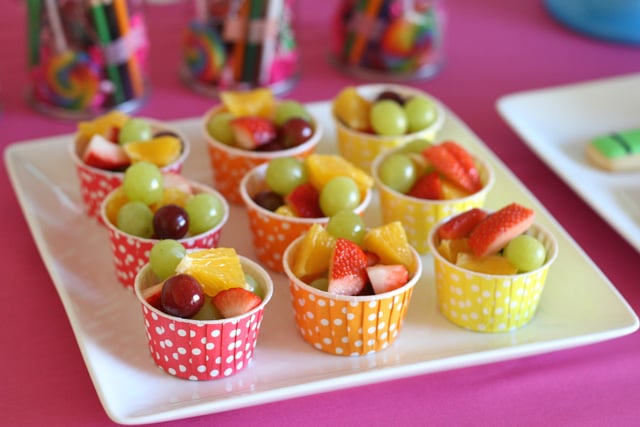
It has taken time to adjust to not having chocolate at the end of the day, not even in fun size.

While unhealthy snacks are still treats on occasion, I am trying to eat them in considerable moderation. If I feel like ice cream, I get the '1/2 the fat' kind, and have one scoop with peaches to fill the rest of my bowl. I may divide cookies in half and share with others. I choose fun size candy over a full size bar. Again, this is sparingly.

Instead, I have found a few sweet, but healthy snacks.

  • Dried berries
  • Plain animal crackers
  • Fruit
  • Some granola bars, even with chocolate (I look for ones with a good amount of protein)
  • Hot cocoa
  • Fruit smoothie with low fat vanilla yogurt (I like to freeze it and eat it with a spoon, making scrapings) (what?) (Yeah, okay, it's a sensory thing.)
  • String cheese and frozen grapes
  • Yogurt and banana
  • Peanut butter and apples
  • Warm pear half and cinnamon 
Just watch your serving sizes.

This blog post from Daily Hiit on Ways to Crush Your Sweet Tooth is helpful. It highlights that many times when your body craves sugar, it is saying it needs energy or water.
Many times lack of protein in your diet can contribute to sugar cravings as the body looks for a quick energy source. Adding protein to every meal ensures that the body always has fuel to access and maintains a steady blood sugar level, preventing any spikes and crashes.

Steady blood sugar helps your moods, not just your cravings. Bonus!

Rule of thumb for snacks that keep you going and keep your metabolism up: 10g of protein and 5g of fiber.

Using MyFitnessPal is one way to keep track of your protein, calories, and sugar intake. It is not very accurate, but at least it is something to keep you thinking about what you put in your body. If you can journal, keep a dairy of your food, what time you ate it, what you crave and when, and how many calories, fat, protein, fiber, and sugars per serving. This is not something I have done. I like that MyFitnessPal will keep the data for me, even if it is not entirely accurate. Just thinking about it helps keep your diet goals in mind.

The easiest thing to do is to simply not buy the sweet snacks. If they aren't in your cupboards, you can't eat them. There will not be temptation. We give ourselves and the kids crackers, pretzels, animal crackers, fruits, string cheese, and peanut butter on whole wheat bread. I am in love with hummus and pita chips, in case I haven't mentioned that before. :) I switched to Kashi bars instead of Chewy bars. They cost more, but I am investing in my body.

I have been instilling that thought into my husband's brain.. that groceries may cost more, if they are better for us. Investing in ourselves is worth it!

33 more snack ideas (less healthy and more chocolatey than mine) Some other snacks under 50 calories if you like applesauce or jello

Tuesday, January 28, 2014

Nutrition: Snack Time!

Oh, how I love to snack!

As a child, I would snack on simple things that we had lying around. Carrots, cheese, apples, peanut butter, sometimes chips, popcorn, maybe a piece of candy.

Then I grew up.

I nearly starved one semester in college, eating peanut butter sandwiches, corn, pop tarts, and spaghetti. I didn't have money for treats that semester. I walked to class a lot that year. I was underweight. Fortunately, I took a daily vitamin.

After I got a job money was still an issue and what to cook and pack in lunches was top priority. Dollar microwave meals full of sodium, granola bars high in sugar, and bottled drinks full of high fructose corn syrup were the cheapest route. Snacks came in convenient packages, or boxes of crackers that could be divvied up into sandwich baggies.

Snacks can be my downfall. I find myself eating the most snacks as I watch TV right before bed. I get "the munchies" and want to fill up my stomach for the night's hibernation.

What is a healthy snack?

Here is what to look for in a good healthy snack:

  • Under 200 calories
  • 10 grams of protein
  • 5 grams of fiber
Examples:
  • Apple and glass of milk
  • Pita chips and hummus
  • dried berries and nuts
  • crackers and tuna
  • toast with chopped pears, cottage cheese, and crushed walnuts in a spread (haven't tried this)


I like to eat apples with peanut butter, carrots with hummus, and a banana with a cheese stick.

These snacks remind me of what I ate as a child. Why did I stop eating like this? 

I guess, I learned how to find the cheap food, the sweet, fattening, pre-packaged things that grocery stores put right out there at eye-level. It was cheaper, easier. They then made 100 calorie packs, to make me feel better about packing my lunch.

But they are still unhealthy.

I got married and times were still tough. Food that was not as healthy was cheaper. Flavorings, corn syrups, preservatives, things that make food processing fast and bulky also made it cheaper to produce and sell. We tried all kinds of microwave meals, pre-packaged foods, and things that would keep for a long time so we could buy in bulk. My husband and I had limited knowledge of recipes to cook from. We had to expand our cooking repertoire. We had to learn to read labels, study, and find out the hard way that we were not eating the things our bodies needed.

Then we had kids. 

The time is ripe to teach them good eating and healthy snacking skills. If we don't buy it, they can't eat it.

So I am going back to snacking like a kid. For myself, for my kids, and for the future. No kool-aid for them, no cookies, no artificially flavored juices, no sugary fruit snacks, no pop tarts, no snack cakes, no microwave meals. Rarely, we do buy some of these things, but the goal is to teach them to eat the good things more than the bad.

The foods I ate as a kid are good enough for my own kids and they continue to be the best choices for me.

Tuesday, January 21, 2014

Nutrition: Overeating


Do you know what correct portion size is?

WebMD has a little guide for you of the recommended portion size. Health Magazine does too. What I like are the size comparisons. Now when I eat meat, I think of a deck of cards.

Nuts, peanut butter, or cheese = golfball
Meat = deck of cards
Fruits and veggies = tennis or baseball
Grains or potatoes = computer mouse
Fats = game die

Here is a video of tips to cut down on overeating. SCIENCE!
(Note: I do have some red bowls, and I tend not to use them as much. Hmm..)

Other Tips:

  • Don't skip meals so you are starving and want to fill your stomach with easy to grab snacks.
  • Eat breakfast. Eat protein at breakfast.
  • Eat veggies first. 
  • Eat foods higher in fiber, protein, and water to fill you up with fewer calories. Especially snacks. The ideal snack has less than 200 calories, 10 grams of protein, and 5 grams of fiber.
  • Try to avoid using food as comfort for a stressful day. (I like a fun size chocolate if I craving it, not a full size bar. Exercise is the best for stress!)
  • Only eat when you are hungry. Don't reach for that snack just because it is there and the TV is on.
  • The brain feels full at 20 minutes. If you slow down, you will eat less and feel satisfied. Learn to know when you feel satisfied so you aren't uncomfortable afterwards.
  • Ask for dressing on the side.
  • Dip your pancakes in syrup instead of pouring it on. This goes for gravy and dressing too.


I once worked in a group home taking care of some gentlemen with special needs. One of them had diabetes. In order to care for him, we had to measure and weigh his food. We had a list of foods he could eat, whether they counted as starches or vegetables, the amounts of each he was allowed to have, and the correct ratio of vegetables to proteins to grains and fruits.

When I first saw this, I found it daunting. I certainly did not measure MY food. I was terrible at planning my own meals. How was I going to do this for that man?

He complained the entire time that he wasn't getting enough food. His portions were visually smaller than those of his roommates. He would rant that he was starving an hour later. He would try to sneak snacks.

Do any of these sound like the excuses you would make? :)

His meals were planned, his food weighed, and he was not starving. We should all eat like this. (What we should have done was also feed his roommates the same way, but allow them seconds.)

Once my family was seated next to a family of 4 adults of very large size at Texas Roadhouse. Two of them had chairs at the end of an extra table because they couldn't fit in the bench seats. They each ordered an appetizer, a full entree and dessert. Every plate was empty on the table when they finished. Then they explained that they had to sit for 30 minutes after eating because they would get acid reflux.

I thought, "Well, if you fill up your esophagus, where is the gas and stomach acid gonna go when you move?"

One lesson learned here is, of course, portion control. You don't need appetizers, and entrees can be split, and extra food can go home so it will not be wasted.

My husband saw this family consume and heard them complain about the food coming back up, and he decided right then and there he did not want to live like them. I had already made that decision. We began splitting entrees, ordering waters to drink, and skipping appetizers and desserts altogether, unless it was part of a meal deal we could also split. We took extra food home, too. And yes, even with two of us eating from the same meal, we have leftovers! Serving size at restaurants is more than enough.

It helps to have a partner in healthy eating. Had he not made that decision, it would be harder for me to stop reaching for the snacks he offers me, or to not order a full entree because he had ordered one.

When we used to shop for groceries together, and I wanted a bunch of fruits and vegetables, but he had already filled the cart with boxes of crackers, chocolate cookies, and ice cream, the added expense of healthy foods weighed on my conscious enough to make me put some of it back. I was going to snack on the cookies anyway, simply because they were there.


With his help, I now no longer feel guilty about loading up on healthy snacks that may cost a dollar more. We read labels for high fructose corn syrup, white flour, grams of protein, or added preservatives. We buy fresher things. We buy healthier things. I turn down extra snacks, reminding him that I have healthy alternatives, or that I am not hungry.

Not overeating as a practice, is a step towards a healthier me. And you.